
Astro
Luna Bianco
Note from the Photographer
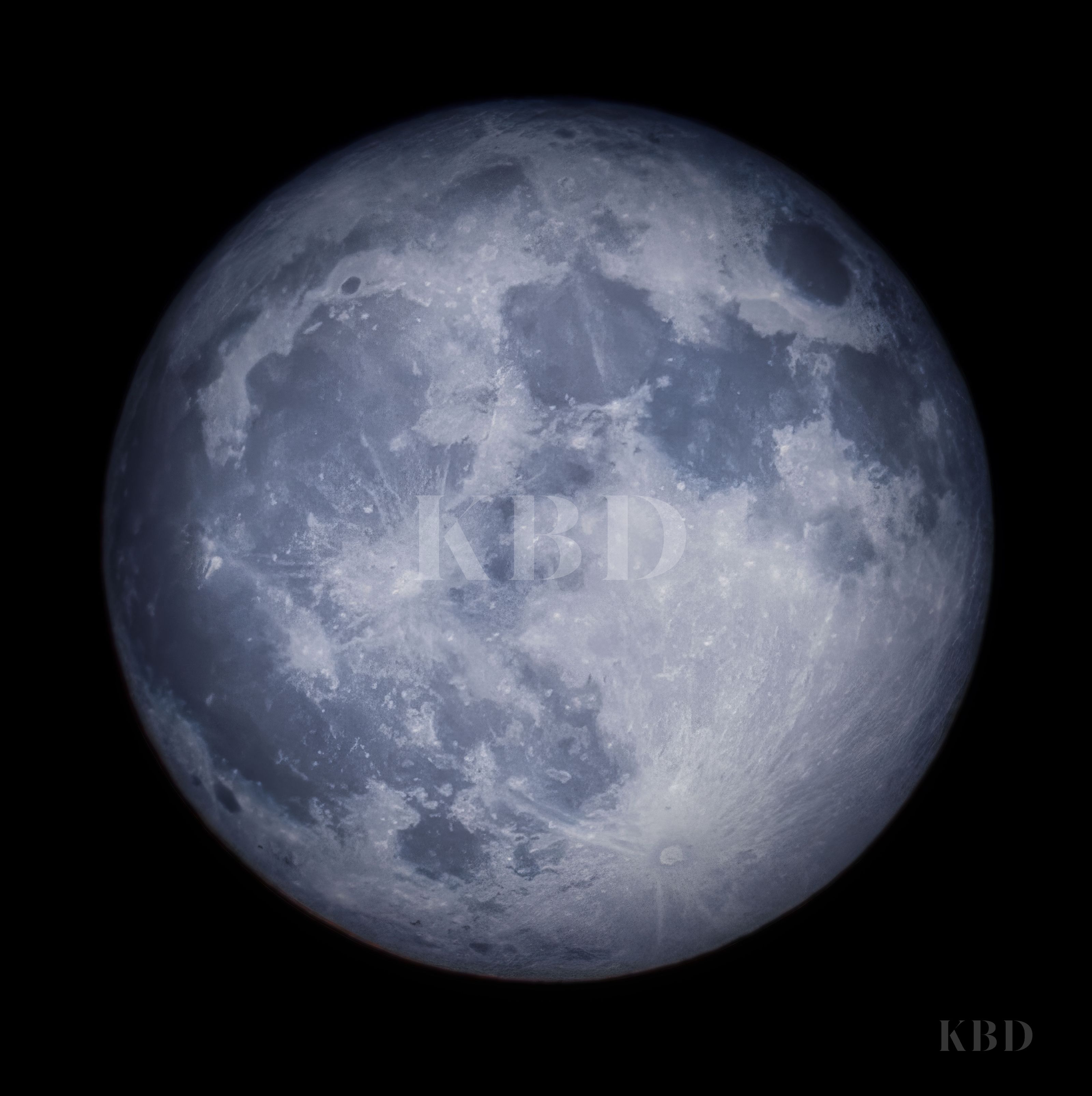
The dark patches spread across the lunar surface are called maria, Latin for "seas," a name given by 17th century astronomers who genuinely believed these smooth dark plains were bodies of water. They were wrong, but the name stuck. In reality, maria are ancient basaltic lava flows that filled massive impact craters roughly 3.1 to 3.9 billion years ago, after enormous asteroid sized bodies cracked the Moon's crust and allowed molten rock to rise and fill the wounds left behind. The brighter, more heavily cratered regions surrounding the maria are the lunar highlands, some of the oldest surfaces in the entire solar system, dating back over 4 billion years. Because the Moon has no atmosphere, no wind, and no water, none of these scars have ever eroded. Every crater visible in this photograph has remained frozen in place since the day it was formed. What you are looking at is not just the moon. It is a nearly unchanged historical record spanning billions of years, lit up and photographed from a backyard on a single clear night.